Jack Smith’s Final Report Leaves a Stark Record: Prosecutors Say Trump Would Have Been Convicted
When a federal grand jury in Washington, D.C. unsealed an indictment charging Donald J. Trump with conspiring to defraud the United States, conspiring to disenfranchise voters, and conspiring to obstruct an official proceeding, it marked one of the most consequential moments in American legal history.
The charges stemmed directly from the events surrounding January 6, 2021 — an attack on the U.S. Capitol that federal prosecutors described as an unprecedented assault on the foundations of American democracy. According to the indictment, the violence was fueled by false claims deliberately advanced to obstruct a core function of government: the collection, counting, and certification of the presidential election.
At the announcement of the charges, Special Counsel Jack Smith emphasized both the gravity of the allegations and the fundamental principles of justice. The indictment, he said, was returned by a grand jury of citizens and laid out the charges in detail. Trump, like all defendants, was presumed innocent unless proven guilty beyond a reasonable doubt.
But the story did not end there.
A Final Report That Changes the Historical Record

In his final report — now reviewed by Congress and entered into the permanent government record — Jack Smith delivered a conclusion that has sent shockwaves through legal and political circles: the evidence against Donald Trump was sufficient to obtain and sustain criminal convictions at trial.
This was not a rhetorical flourish or political statement. It was a formal prosecutorial judgment.
According to Smith, the investigation produced overwhelming evidence that Trump knowingly promoted false claims of election fraud and used those lies as tools to interfere with the lawful certification of the 2020 election. The report states that the January 6 attack would not have occurred as it did without Trump’s actions and that he bore primary responsibility for the underlying criminal conduct.
Smith’s team interviewed approximately 250 witnesses, issued dozens of subpoenas, executed search warrants, and reviewed vast quantities of documents, communications, and recordings. The conclusion, according to the report, was unavoidable: under Department of Justice standards, the facts compelled prosecution.
“This was not a close call,” Smith explained in sworn testimony to Congress. The evidence and the law, he said, required charges to be brought.
Why the Trial Never Happened
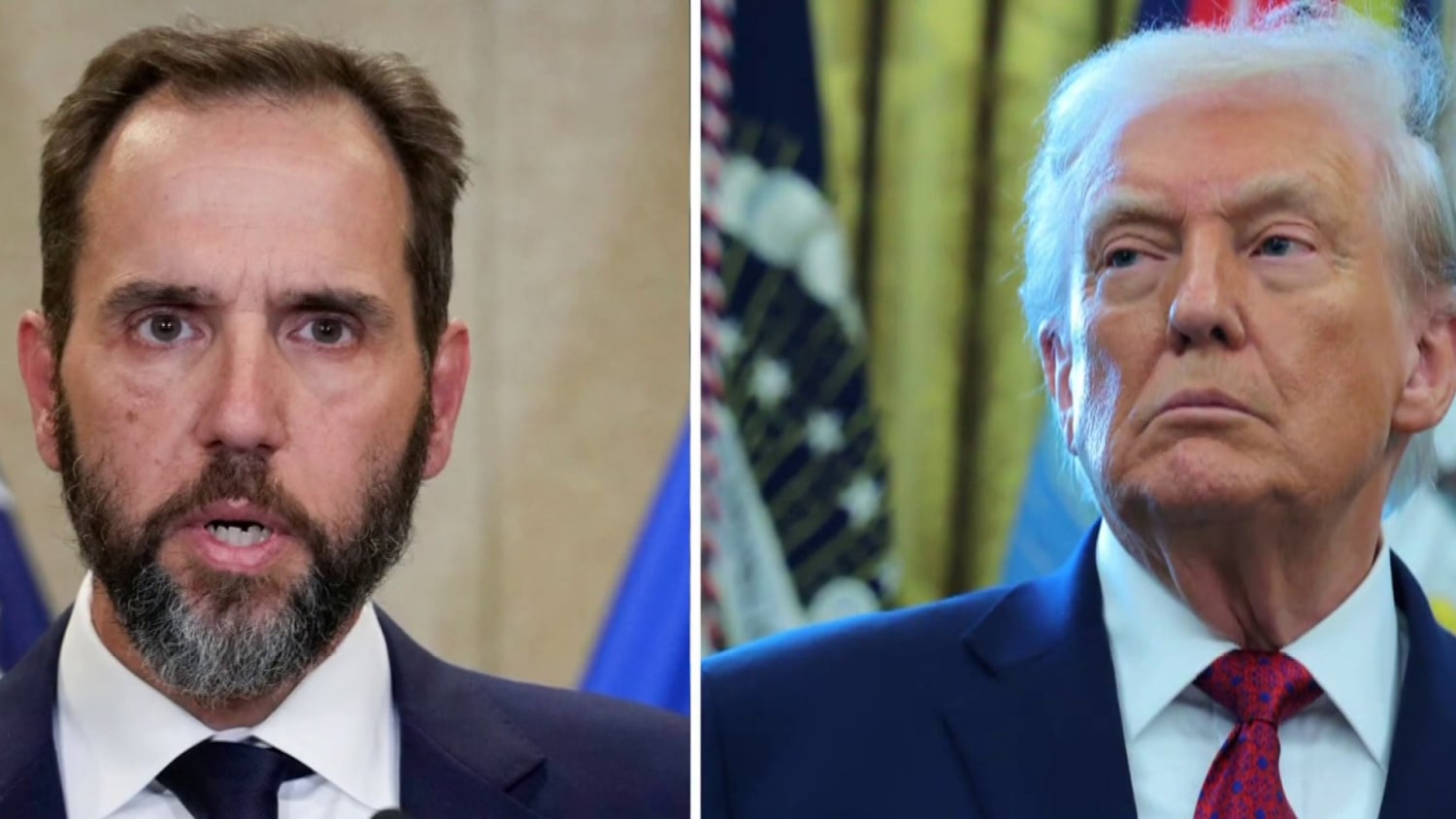
Despite the strength of the case, Trump never faced a jury.
The prosecutions were halted and ultimately dismissed after Trump won the presidency, triggering long-standing Department of Justice policy that bars the criminal prosecution of a sitting president. The result was extraordinary: a defendant prosecutors believed would likely be convicted avoided trial solely because of electoral victory.
Smith made clear in his report that the decision to charge Trump was based on evidence, not politics. He rejected claims of a “witch hunt,” explaining that prosecutors are obligated to bring cases when evidence reaches a certain threshold — and that threshold, in his assessment, had been surpassed.
Beyond January 6: The Classified Documents Case

Smith’s report also addressed the separate investigation into Trump’s handling of classified documents at Mar-a-Lago. According to prosecutors, Trump willfully retained highly sensitive national security materials, stored them in unsecured locations, and later attempted to obstruct efforts to retrieve them.
The report documents alleged obstruction of justice, concealment of evidence, and false representations to federal authorities. Smith concluded that this case, too, met prosecutorial standards and was sufficiently strong to proceed to trial — but again, prosecution was halted by Trump’s return to office.
What Remains After Immunity

Trump has repeatedly claimed he was “exonerated.” The official record tells a different story.
The special counsel’s report states:
- Prosecutors believed a jury would have convicted Trump on multiple serious federal charges
- Trump knowingly advanced false fraud claims
- Those falsehoods were used to interfere with the peaceful transfer of power
- Trump was the most culpable individual connected to January 6
None of these findings disappear because a trial did not occur. They remain preserved in sworn testimony, court filings, and an official government report.
A Permanent Record

Legal scholars note that while prosecution was paused, the evidence itself is permanent. It is available to Congress, future prosecutors, historians, and the public. The report constitutes the most comprehensive legal assessment of a former president’s alleged criminal conduct ever produced by the federal government.
In effect, Trump avoided trial not because prosecutors lacked evidence — but because constitutional norms intervened after an election.
As one former federal judge observed, “This is not a case that vanished. It is a case that was documented, preserved, and deferred.”
History, unlike criminal prosecution, has no statute of limitations.

Leave a Reply