Unity in Denmark: The Turning Point for Allies
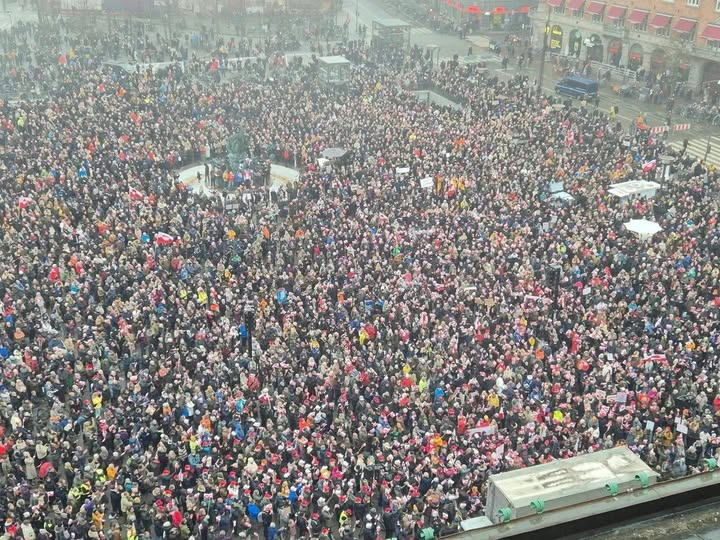
It’s a quiet evening in Copenhagen, the kind of evening that could make anyone feel at peace in this city of bicycles, canals, and a rich cultural history. But there is an undercurrent, a simmering frustration that is palpable in the air. The people of Denmark, once steadfast allies of the United States, now find themselves united in one voice, speaking out against the president of the United States—Donald Trump. The sense of unity isn’t born out of casual discontent. It is deep-rooted, tied to a series of decisions and policies that have eroded the trust between the U.S. and many of its closest partners.
Trump’s presidency has seen a significant shift in how Denmark, and much of Europe, views the United States. What was once an era of mutual respect and collaboration now feels like a distant memory. The people of Copenhagen are not simply frustrated; they are disillusioned. Allies feel betrayed by a leader who, in their eyes, has turned his back on the international community, and the consequences of this shift are only beginning to unfold.
The Unraveling of Alliances: A World Torn Apart
When Trump took office, the world was already grappling with its share of challenges. The rise of populist movements, Brexit, the tension between Russia and the West—it was all part of a complicated geopolitical landscape. But Trump’s arrival on the global stage seemed to catalyze a new wave of division. He didn’t just sit at the table; he bulldozed it. His “America First” rhetoric reverberated across continents, and soon, it wasn’t just his domestic policies that were under scrutiny. His international relationships were in tatters, and so was the once-thriving alliance system that the U.S. had worked to cultivate for decades.
From NATO to climate agreements, from trade wars to immigration policies, Trump’s decisions wreaked havoc. Allies like Denmark, who had once stood beside the U.S. in every major conflict and collaboration, began to question what this new brand of leadership meant for their futures. What had once been a system of cooperation, mutual respect, and shared values felt like it was slipping away, piece by piece.
A Growing Frustration: The Dismantling of Trust
To understand the magnitude of the shift in European sentiments, we must look deeper into the erosion of trust. Trust is something that has taken decades, if not centuries, to build between nations. When an ally like Denmark is confronted with the abrasive behavior and erratic policies of a leader like Trump, trust doesn’t just crumble overnight—it is shredded.
The Paris Agreement, a global pact to combat climate change, became a major point of contention. Trump’s decision to pull the U.S. out of the deal was more than just a policy shift; it was a slap in the face to countries like Denmark that had long prided themselves on their commitment to sustainability and environmental leadership. For Denmark, a nation that had invested so much in green technology and renewable energy, this move was not just political; it was deeply personal. It was as though the world was watching as the U.S. walked away from shared responsibility for the planet’s future.
The Breaking Point: Trump’s Denmark Controversy
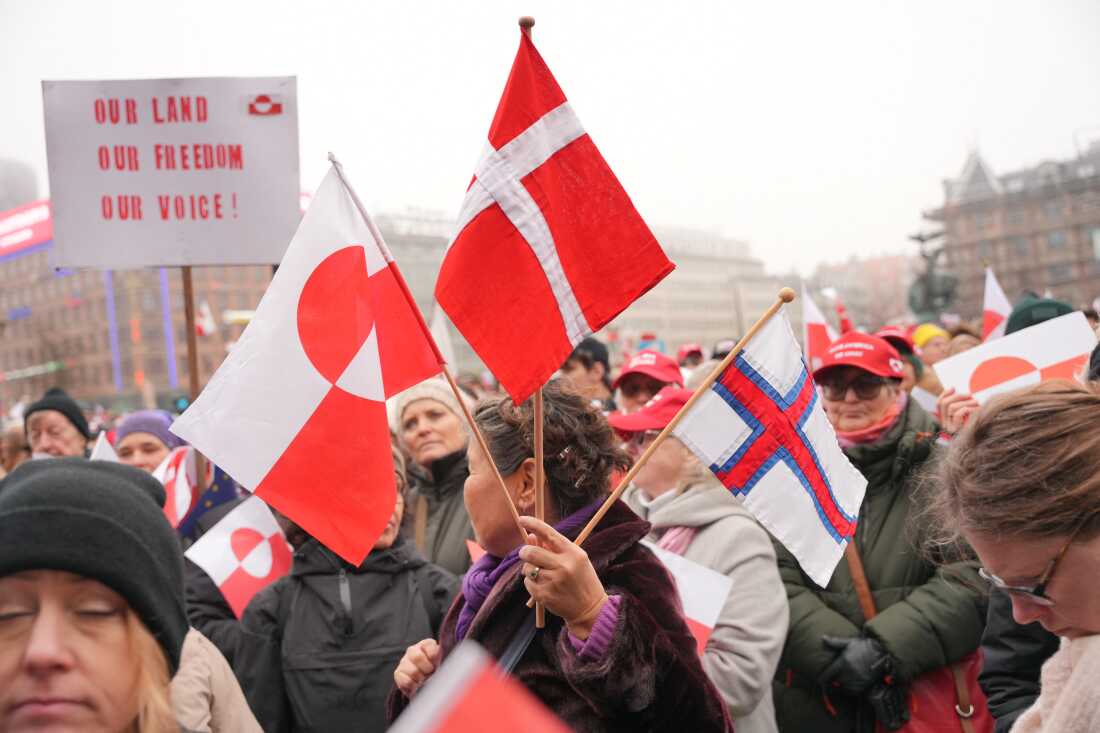
Perhaps one of the most vivid illustrations of the growing divide came in the form of a diplomatic debacle in 2019. Trump’s offer to purchase Greenland, a territory of Denmark, was met with outrage—not just in Denmark, but across the globe. The audacity of such a proposition was breathtaking. It wasn’t just a matter of economics or strategy; it was a matter of respect. Denmark’s response was firm: Greenland was not for sale. But what followed was equally telling. Trump’s subsequent cancellation of a state visit to Denmark, citing the refusal to discuss the sale of Greenland, felt like the final straw.
It wasn’t just the offer to buy Greenland that offended Denmark—it was the way Trump had treated them. What was once a relationship built on mutual understanding and cooperation had been reduced to a transactional exchange. Denmark, a close ally, was now being treated as an inconvenience, and Trump’s behavior only confirmed that this wasn’t an isolated incident—it was part of a broader pattern.
A Broken Image: Trump’s Effect on U.S. Reputation Abroad
As the world watched the drama unfold, it became increasingly clear that the global image of the United States was undergoing a profound transformation. The U.S. had always been seen as a symbol of strength, resilience, and leadership on the world stage. But under Trump, that image began to fracture. In Copenhagen, and across much of Europe, the perception of the U.S. shifted from a global leader to a reckless, unpredictable force that acted without regard for international norms or alliances.
Trump’s foreign policy decisions were often made in isolation, with little to no consultation with allies. This departure from traditional diplomacy left many nations feeling sidelined and disrespected. The U.S. wasn’t just disengaging from global issues—it was actively dismantling the systems that had kept international relations stable for decades.
The Ripple Effect: Trump’s Global Impact on Trade and Security
Beyond diplomacy, Trump’s presidency had a far-reaching impact on global trade and security. The trade wars with China and other nations strained relationships that had been built on mutual economic interests. In Denmark, the repercussions were felt in the form of uncertainty in global markets. The United States, once a reliable trade partner, had become an unpredictable player, and countries like Denmark had to navigate the treacherous waters of an America-first agenda.
In the realm of security, Trump’s stance on NATO raised alarms. His open criticism of the alliance and suggestion that the U.S. might withdraw from it left European nations scrambling. Denmark, a member of NATO, was left to wonder about the future of the alliance and the U.S.’s role in maintaining global security. The uncertainty created by Trump’s actions only further strained relationships that had been built on decades of shared responsibility.
Public Backlash: The Voices of Danish Citizens
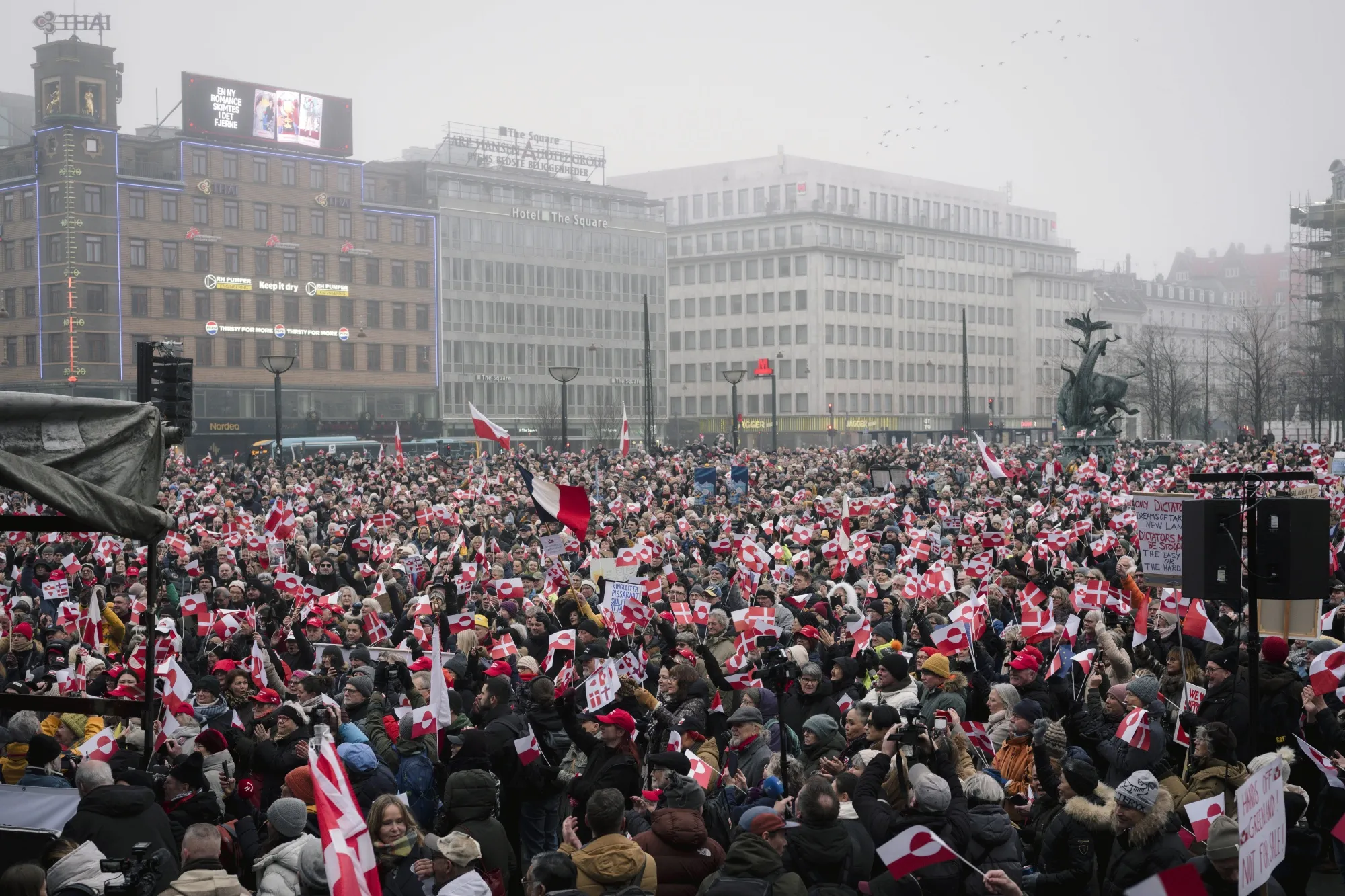
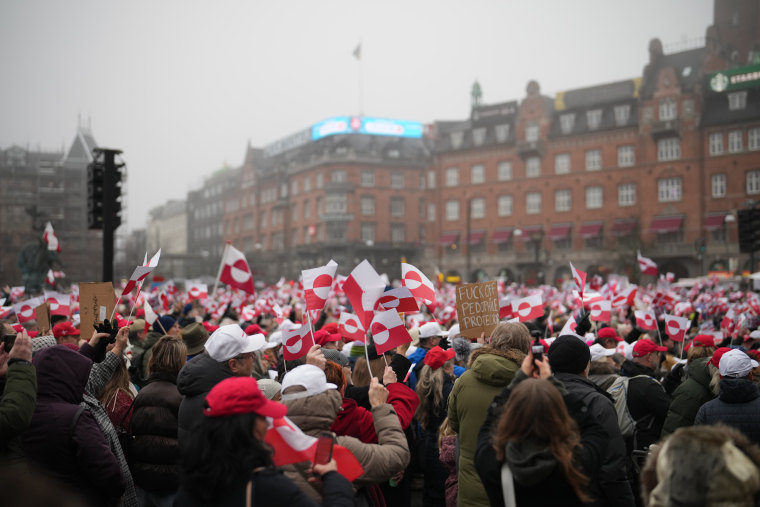
As frustration grew within Denmark, it wasn’t just politicians and diplomats who spoke out. The public, too, began to voice their discontent. Protests and rallies became commonplace, with Danish citizens marching in the streets to express their opposition to Trump’s policies and leadership. In Copenhagen, the sentiment was clear: the U.S., under Trump, had abandoned the values of democracy, human rights, and international cooperation that Denmark had long held dear.
These protests weren’t just a reaction to Trump’s policies; they were a manifestation of a deeper fear—that the world, once united in its commitment to peace and diplomacy, was now fracturing. Denmark’s rejection of Trump wasn’t just about one man—it was about a broader fear that the global order was being dismantled.
The Rise of European Unity: Denmark’s Role in a Changing World
As the years went on, Denmark’s frustration with Trump became part of a broader movement in Europe. Countries that had once been close allies of the U.S. began to seek out stronger ties with one another. The European Union, in particular, took on a more prominent role, as many nations saw the U.S. as less reliable in the face of global challenges. Denmark, along with other European nations, began to look inward, strengthening its relationships with its neighbors and reaffirming its commitment to the values that had once defined the Western world.
This newfound unity was born out of necessity. With Trump at the helm of the U.S., Europe could no longer rely on America to be the global leader it once was. The rise of European unity was a direct response to the weakening of transatlantic ties. For Denmark, this meant looking for new avenues of collaboration and leadership, both within Europe and on the world stage.
The Shift in Global Leadership: A World Without Trump
As Trump’s presidency continued, it became clear that the world was changing. The U.S., under his leadership, had pulled back from its role as the world’s primary superpower. Nations like Denmark, who had once relied on American leadership, were now stepping up to fill the void. The U.S.’s retreat from global issues opened the door for other countries to assert their influence, and Denmark, along with its European allies, found themselves at the forefront of global conversations about climate change, human rights, and international security.
The question now was: what would the world look like without Trump? As his time in office drew to a close, many wondered whether the U.S. would ever return to its previous role on the global stage. For Denmark, the future seemed uncertain, but there was hope that a new era of cooperation and unity would emerge from the wreckage of the Trump presidency.
Lessons Learned: The Future of U.S.-Denmark Relations
As the dust settled on Trump’s tenure, it was clear that the U.S.-Denmark relationship had been irreparably altered. But it wasn’t just the policies or the controversial statements that had caused the rift—it was the lack of respect for longstanding alliances. The U.S. had failed to recognize the importance of diplomacy, cooperation, and shared values. For Denmark, this was a harsh lesson in the fragility of international relationships.
The future of U.S.-Denmark relations would be shaped by the lessons learned during this tumultuous period. Denmark, like many other nations, would no longer take for granted the reliability of American leadership. And the world would continue to grapple with the consequences of Trump’s presidency for years to come.
Moving Forward: A New World Order
The final chapter in the story of Trump’s presidency was one of deep reflection and reevaluation. The global landscape had changed, and nations like Denmark were beginning to redefine their role in the world. The lesson learned from Trump’s tenure was simple: the world could not afford to rely on a single nation for leadership. As global power shifted, Denmark found itself not just as a passive observer, but as an active participant in the creation of a new world order—one where unity, cooperation, and shared responsibility would be the guiding principles.

Leave a Reply